In the days of Lewis and Clark, millions of pronghorn populated the West. Today, the population hovers around 700,000, with more than 50 percent found in Wyoming. Conservation biologist and engineers came together to find a solution to prevent further decline of pronghorn numbers during long distance migration. They identified sections of highway where pronghorns most often cross during their annual trek between the Upper Green River Basin and Grand Teton National Park through GPS collaring of 400 individuals. Then they constructed wildlife overpasses containing features like sagebrush that mimic features of the pronghorn’s natural migration trail. The bridges’ sides are lined with bushes so that the visually oriented animals do not fall off the edge or get distracted by traffic rushing below. They lined the side of the highway with an eight-foot-high woven wire fence to funnel the animals into two newly constructed safe passage points. The researchers are collecting their first year of data from the newly opened overpasses, and they have already documented successful pronghorn crossings.
Tuesday, November 13, 2012
Thursday, November 8, 2012
Thomas D. Mangelsen
I am drawn toward Thomas Mangelsen's photography of landscapes, flowers and trees. I am currently taking range ecology. When scanning though Tom's photos I can identify plants that have transformed from a scientific name to a work of art.
Foxtail and Yarrow
Saxifrage and Snow Goose Feather
Aspens at Grand Teton National Park
Moon over Tetons
Tuesday, November 6, 2012
Joel Sartore
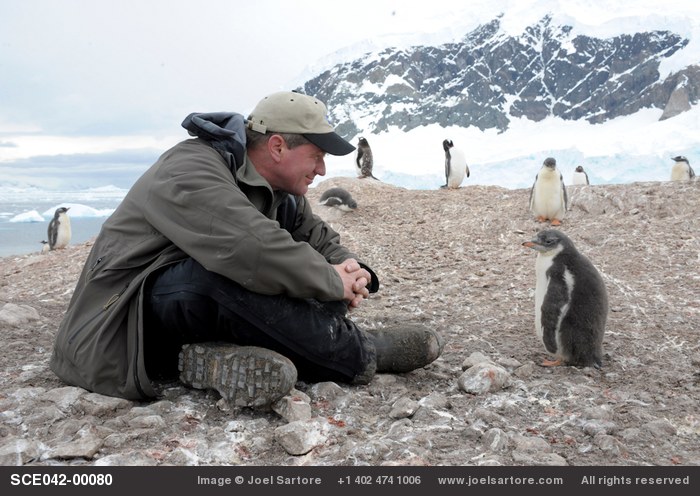
Joel Sartore has traveled all over the world to photograph. He has contributed many photos to magazines, newspapers and journals. This may sound like thousands of photographers condensed bio, but Sartore differs. His photography documents endangered species and heavily impacted environments. His goal is to show a world worth saving. With this objective Joel Sartore fits the perfect model for conservation photography.
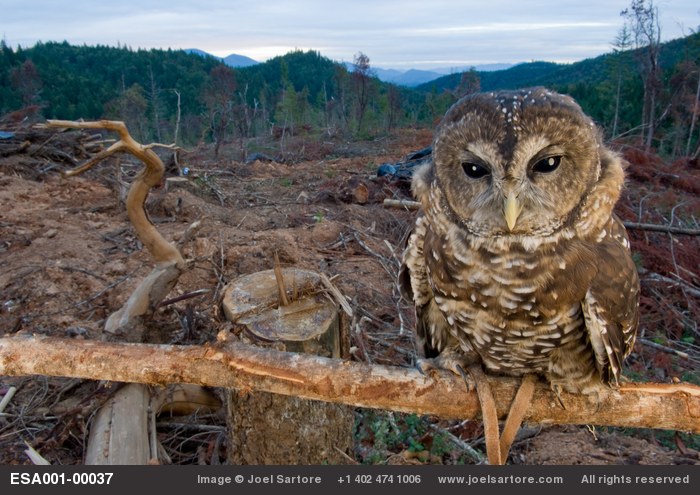
Captive Northern Spotted Owl in a clearcut near Merlin, Oregon
A mountain goat stretches to reach a mineral lick in the Walton area of Glacier National Park
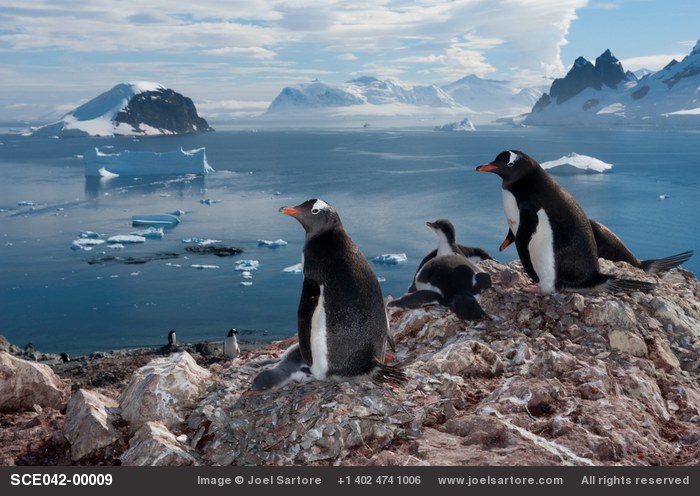
A gentoo penguin (IUCN: Near Threatened) colony on Danco Island, Antartica
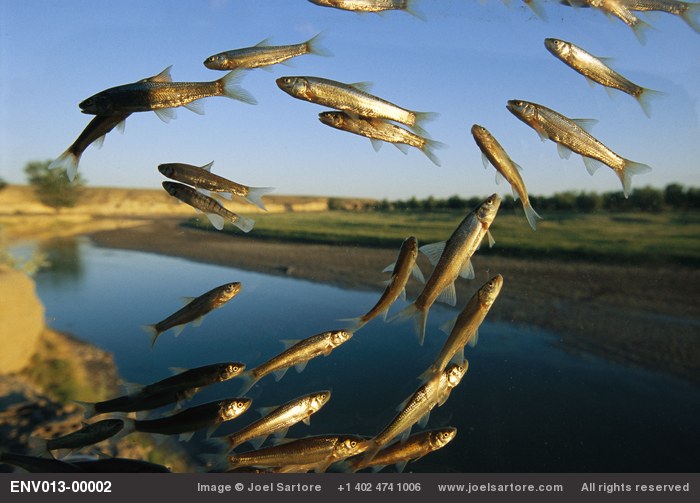
"Flying fish" (minnows) over the Powder River in Wyoming, an ecosystem threatened by coal bed methane development
In King's Canyon National Park, California, chytrid fungus has swept through with a vengeance. Shown are some of the last southern mountain yellow-legged frogs as they lay dead from the fungus.
Her spawning complete, a female sockeye salmon spends her final hours out of the current too swift for her to stay upright.
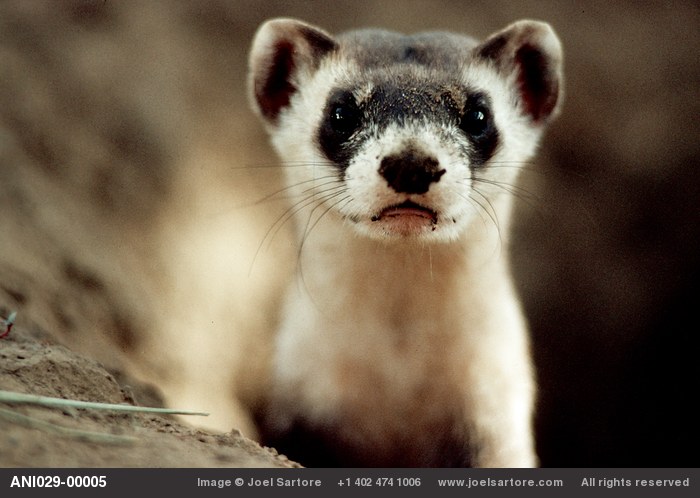
Black-Footed Ferret (IUCN Red List Threatened Species)
Tuesday, October 30, 2012
Partly Biodegradable Fishing Pots
Partly Biodegradable Fishing Pots - Conservation Magazine
I came upon this article on conservation magazines website. I found the idea of a partly biodegradable fishing pot compelling. During the summers since I was ten I have gone to Oregon to visit family. When I am there we always go crabbing. There is an issue with these fishing pots that I became aware of when crabbing. When fishing pots are lost they can trap other species not intended for their use, which results in their death. They have now created a biodegradable oval panel for the pots to prevent the demise of unwanted species.
Thursday, October 25, 2012
Alex Saberi
I am drawn towards this photography because of the lighting. I love the way he uses dramatic lighting to make wildlife really pop in the image. He has been taking photos since 2005 when he purchased his first DSLR. He has a published book of photos from Richmond Park, which is what most of these photos are from.
Monday, October 15, 2012
Midterm Presentation
All photos were taken with a Canon EOS 350D with a EFS 18-55 mm lens
Focal Length: 18 mm
ISO: 400
TV: 1/320 sec
AV: 4.0
Focal Length: 25 mm
ISO: 800
TV: 1/2000 sec
AV: f/5.6
Focal Length: 22 mm
ISO: 400
TV: 1/8 sec
AV: f/5.0
Focal Length: 55 mm
ISO: 800
TV: 1/640 sec
AV: f/11
Focal Length: 46 mm
ISO: 200
TV: 1/13 sec
AV: f/5.6
Focal Length: 55 mm
ISO: 400
TV:1/25 sec
AV: f/6.3
Focal Length: 55 mm
ISO: 800
TV: 1/2000 sec
AV: f/5.6
Focal Length: 21 mm
ISO: 800
TV: 1/550 sec
AV: f/11
Focal Length: 55 mm
ISO: 400
TV: 1/15 sec
AV: f/5.6
Focal Length: 31 mm
ISO: 200
TV:1/10 sec
AV: f/5.6
Focal Length: 40 mm
ISO: 800
TV: 1/4000 sec
AV: f/5.6
Focal Length: 55 mm
ISO: 200
TV: 1/25 sec
AV: f/8.0
Focal Length: 33 mm
ISO: 200
TV: 1/10 sec
AV: f/5.6
Focal Length: 35 mm
ISO: 800
TV: 1/160 sec
AV: f/11
Focal Length: 55 mm
ISO: 200
TV: 1/10 sec
AV: f/5.6
Subscribe to:
Posts (Atom)